This post is a translation of the Spanish original.
The European Commission, ARTEX and the three hours we no longer have
More than ten days unable to clock in, request leave or file a medical reimbursement. That's what some European Commission staff have been living through after an attack the Commission itself describes as a campaign that used a publicly available AI tool.
The first thing I thought about when I read it wasn't the AI. It was the support people who have spent two weeks answering "it's still not working".
What we know and what we don't
The affected systems were Sysper, the HR platform that handles payslips, timesheets and leave, and MyPMO, which processes staff medical reimbursements. Translation services also had problems. Sysper came back, but according to reports it briefly went down again on 18 November.
Spokesperson Thomas Regnier said there was no ransom demand and that, so far, there is no evidence of a data breach affecting staff. He has not attributed the attack to anyone.
The name going around is ARTEX. Politico reported that CERT-EU detected its use, although the Commission hasn't confirmed it and it's not clear whether it was used to get in or only to look for weak spots. I'm treating it as likely, not settled.
ARTEX isn't magic, it's an orchestrator
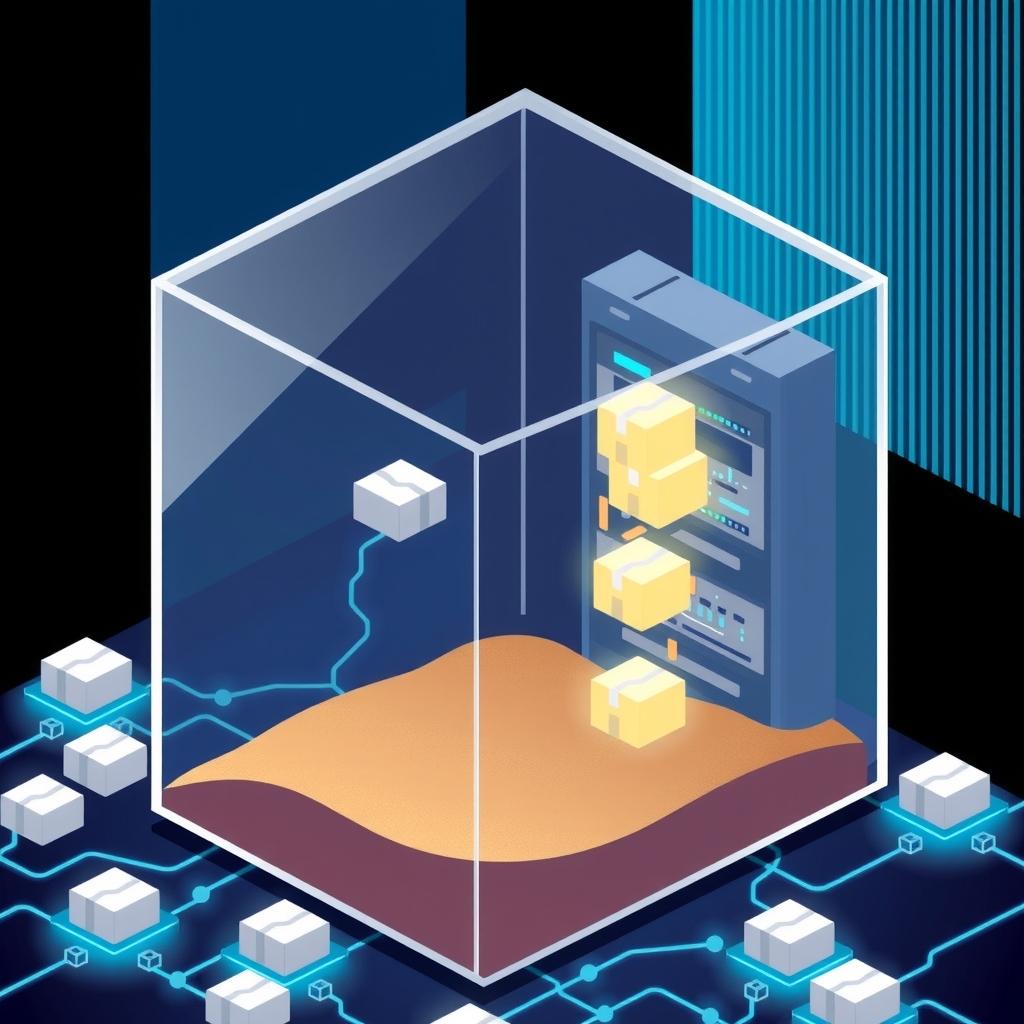
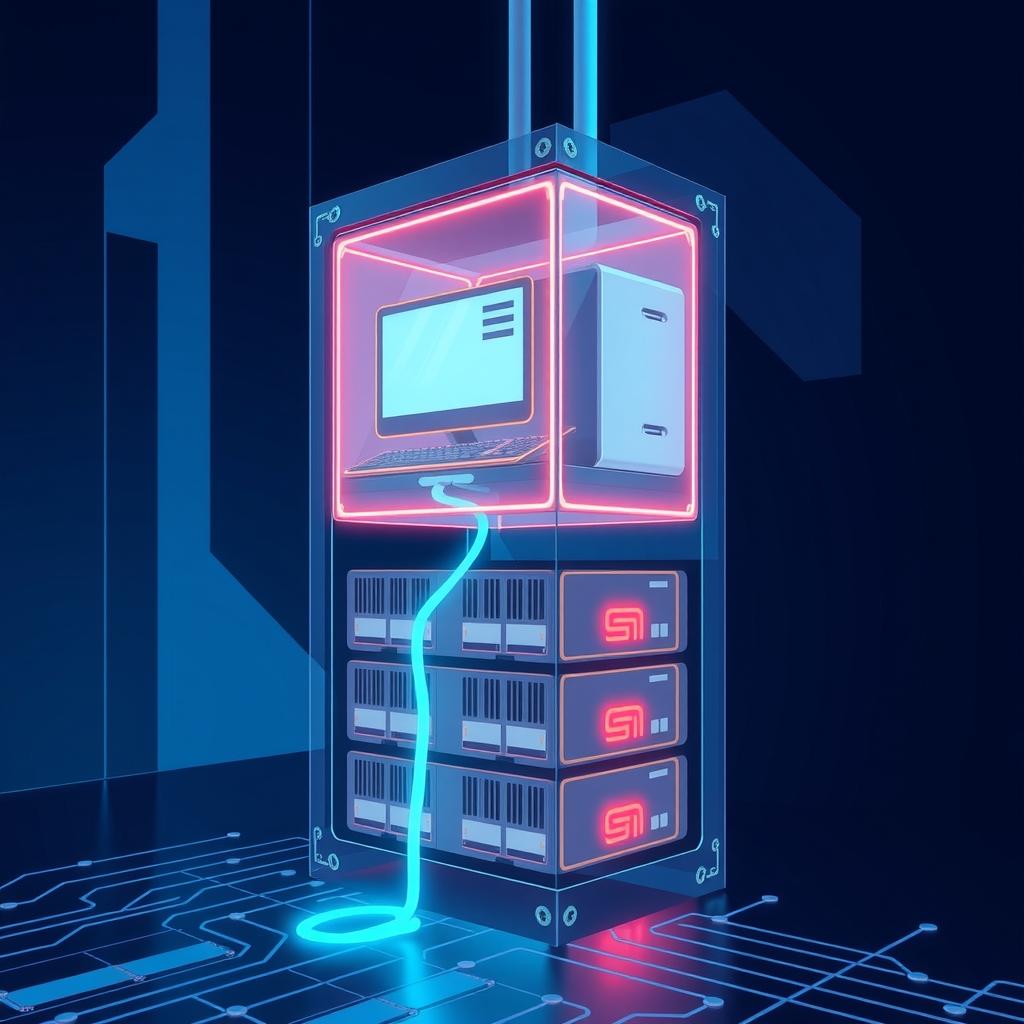
ARTEX is a penetration-testing framework that ships without a model of its own: it connects to external LLMs and uses them to coordinate agents that chain reconnaissance, exploitation and lateral movement. Its original repository disappeared from GitHub on 8 October after abuse reports, but it lives on in forks and copies.
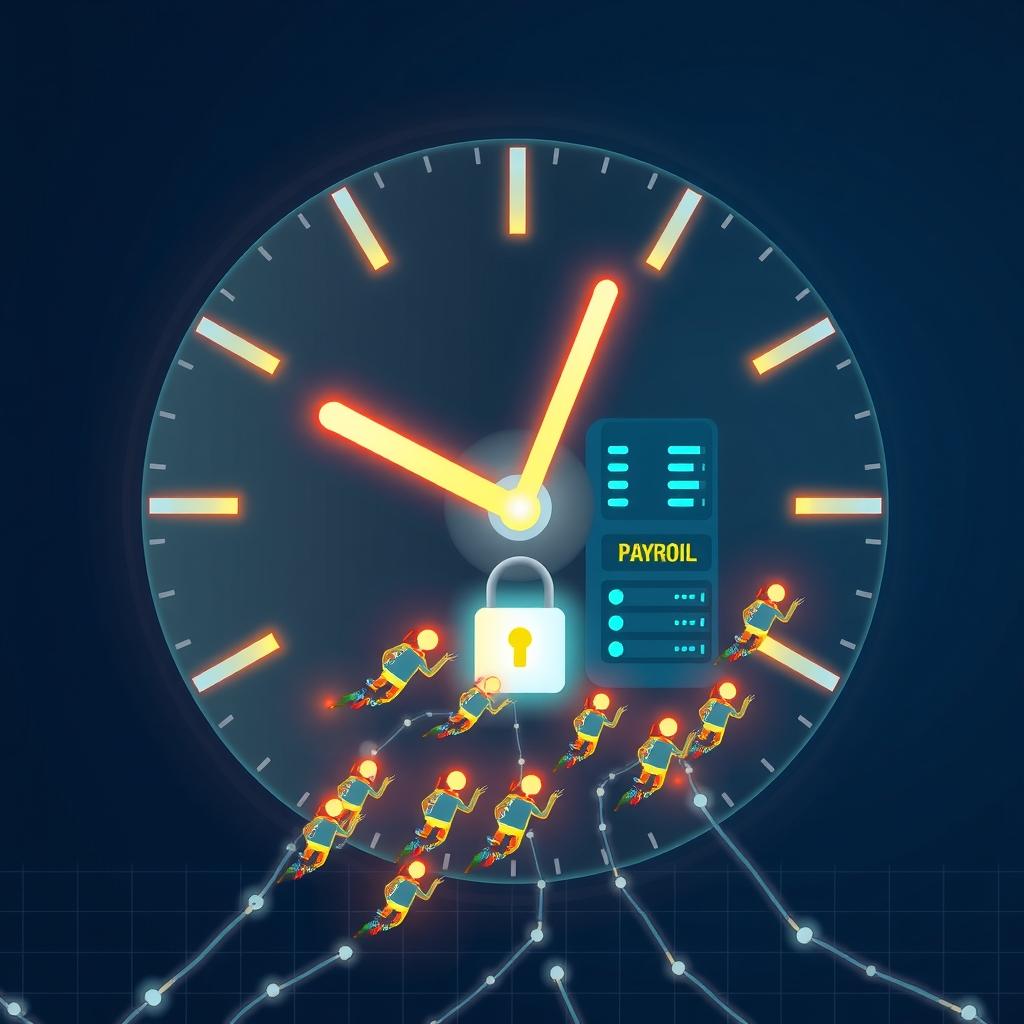
On 13 November the FBI published a FLASH alert: several actors have been using it since at least August 2026 against very different sectors, and in some cases they went from first contact to privileged access in under three hours.
That's the number that sticks with me. I haven't tried ARTEX and don't plan to outside a lab, so I can't speak to how refined it is technically. But three hours is less than many people take to review an alert that fired mid-morning.
My take from the defending side
I think the "AI attack" label is a distraction. What ARTEX does (scanning, trying credentials, exploiting known flaws, moving through the network) was already done by tools and people before. What's new is that you no longer need to know how, and you no longer need to sleep.
I'll grant the best argument against me: lowering the barrier to entry is a real shift. If anyone with an API key can launch something that used to require an experienced team, there will be many more mediocre attacks, and statistics will do the rest.
Even so, my position is that the answer isn't "AI versus AI" as a sales pitch. It's the boring stuff I know well from working in systems:
- Patch exposed systems in days, not in quarterly cycles.
- Real MFA on every administrative access, with no legacy exceptions.
- Alerts that someone actually looks at outside office hours.
- Tested recovery plans for the systems people rely on to get paid.
That last one is what strikes me most about this case. No ransom and, for now, no confirmed data theft. And still the real damage was operational: ten days with a limping payroll system. That's a resilience problem as much as a security one.
As an AI student, it also leaves me uneasy. ARTEX draws on commercial and open models alike, so one provider's safeguards don't help much if the attacker can switch models with a single line of configuration.
The question I'm left with
If the attacker needs three hours, how many organisations can honestly say they'd spot something odd in that time, on a Friday afternoon?
Fuentes
- SecurityWeek: European Commission Confirms AI-Assisted Cyberattack Disrupted Services
- The Record: European Commission confirms cyberattack, says hackers used AI tool
- Security Affairs: European Commission cyberattack, ARTEX AI tool suspected
- BleepingComputer: FBI warns ARTEX AI hacking tool is powering global cyberattacks
- Infosecurity Magazine: FBI Highlights Growing Abuse of AI-Driven Pentesting Framework ARTEX